


In the 1990s, the book “4 Blood Types—4 Paths to Health” written by naturopathic doctor Peter D’Adamo was published in the United States.It almost immediately became a bestseller, translated into nearly every language in the world, and became a practical nutritional guide for many people on the planet.The book's authors state that for each blood type, there is a historically correct concept of nutrition on which human health and longevity depend.
The main idea of this theory is that people should eat the same food as their ancestors.It is best digested and absorbed, whereas the "wrong" foods can clog the body.This nutritional concept is not a weight loss diet, but rather healthy, wholesome nutrition for certain groups of people that will help cleanse and heal the body.
Indeed, some studies have shown that people with different blood types are more or less susceptible to various diseases.Along with his father, Dr. D'Adamo has long identified the effects of various foods on the body and divided them into three categories: beneficial, harmful and neutral.Here's a list of "good" and "bad" foods for people with each blood type.Products not listed are considered neutral and recommended for limited consumption.
Nutrition for people with I(0) blood type

According to various sources, up to 40% of the world's population has ancestry from this group; Dr. D'Adamo believes that they are descended from "hunters" and therefore a meat-based diet should be more suitable for them.
health products
- Beef, mutton, venison, veal, poultry, offal;
- Almost all fish (cod, seabass, pike, halibut, sturgeon, trout, sardines are particularly useful), caviar, seaweed;
- egg;
- A small amount of curd, feta cheese, cottage cheese;
- butter;
- some vegetable oils (olive oil, flaxseed oil, sesame oil, almond oil);
- walnuts, almonds, hazelnuts, pumpkin and cedar seeds;
- rarely eat legumes (except soybeans and lentils);
- Buckwheat, pearl barley, barley grains, rice;
- rye bread;
- Vegetables (beets and leaves, kale, horseradish, artichokes, Jerusalem artichokes, broccoli, kohlrabi, parsnips, sweet potatoes, squash, radishes, bell peppers, and hot peppers);
- almost all fruits and berries;
- Parsley, ginger, cloves, licorice, turmeric, curry, cayenne pepper;
- Herbal and green tea, red wine, mineral water (can be carbonated water).
Hazardous products
- pork;
- Pollock, shellfish, squid;
- Almost all dairy products except those listed as allowed;
- Sunflower, corn, cottonseed, peanut, coconut, palm oil;
- Poppies, pistachios, peanuts, cashews, Brazil nuts;
- Wheat, oats, barley, corn and any products made from them;
- Vegetables (cauliflower, cucumbers, leeks, rhubarb, potatoes, mushrooms, olives);
- Avocados, oranges and tangerines, melons, strawberries, coconut;
- Hard alcoholic drinks, lemonade, beer, black tea, coffee.
Nutrition for people with blood type II(A)
Nearly 35% of the world's population inherits type II diabetes from a parent; incidentally, this is the most common blood type among Europeans.The creators of this diet classified these people as descendants of farmers and gatherers.Their diet is very similar to a lacto-ovo vegetarian diet.
health products

- Turkey (preferred) and other poultry;
- egg;
- Fish (salmon, sardines, mackerel, zander, whitefish, carp, cod, perch, trout, char);
- Cultured dairy products, whole milk – goat’s milk only, cheese is only made from goat’s milk;
- Vegetable oils (olive oil, flaxseed);
- Peanuts, pumpkins, sunflower seeds, pine nuts, hazelnuts and other nuts;
- Beans and soy products are especially useful;
- Cereals (buckwheat, rice, barley, oatmeal, rye) and flour products made from these cereals;
- soy sauce, parsley, turmeric, ginger, mustard;
- Vegetables (the healthy list includes artichokes, beets, Jerusalem artichokes, broccoli, kale, carrots, kohlrabi, horseradish, garlic, onions, parsnips, squash, turnips, spinach);
- All berries, lemons, grapefruits, pineapples, plums, apricots;
- Any herbal tea, green tea, white tea (preferred) and red wine, black coffee (1 cup per day).
Hazardous products
- any red meat and offal;
- Shellfish, squid, eels, catfish, flounder, etc.;
- Whole milk and its products;
- butter;
- Corn, cottonseed, peanut, coconut oil;
- Pistachios, Brazil nuts;
- Wheat, wheat flour and products thereof;
- Potatoes, cabbage, red cabbage, Chinese cabbage, peppers, eggplants, olives, rhubarb, tomatoes;
- some fruits (banana, melon, orange, mango, papaya, tangerine, coconut);
- Gelatin, vinegar, pepper (black, white, red), capers;
- candy, sugar;
- Hard alcoholic and carbonated drinks, beer, lemonade, black tea.
Nutrition for people with blood type III(B)
It is believed that this blood type is the result of racial mixing.Dr. D'Adamo classifies people with this ability as nomads.People are expected to have the broadest and most varied diets; for people with blood type III, dietary restrictions are less restrictive than for others.This is because nomads settled on different continents and were omnivores.
health products
- mutton, lamb, venison, rabbit;
- egg;
- Caviar, croaker, seabass, barracuda, sardines, cod, flounder, haddock, hake, halibut, mackerel, barracuda, sturgeon, carp;
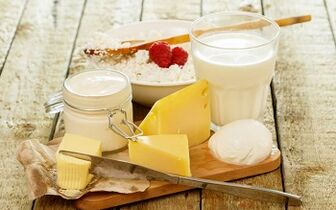
- Almost all dairy products;
- navy and lima beans;
- olive oil;
- Walnut;
- Oatmeal and rolled oats, millet, rice;
- Beets, broccoli, Brussels sprouts, carrots, parsnips, sweet potatoes, onions, horseradish, parsnips, radishes, garlic;
- Cranberries, plums, watermelon, bananas, grapes, papaya, blueberries, blackberries, cherries;
- mushroom;
- Curry, licorice, ginger, parsley;
- Still water, green tea, beer, red and white wine, black tea and coffee (maximum 1 cup per day).
Hazardous products
- Poultry, pork, offal;
- Shellfish, crab, beluga, eel, cod, trout, char;
- quail eggs;
- blue and processed cheeses;
- Other varieties of beans and bean products;
- Vegetable oils: coconut oil, corn oil, peanut oil, soybean oil, sesame oil, sunflower oil, rapeseed oil;
- cashews, peanuts, pine nuts, poppy seeds, pumpkin and sunflower seeds;
- Wheat, buckwheat, corn, rye cereals;
- Olives, turnips, turnips, rhubarb, tomatoes, sauerkraut;
- Avocado, pomegranate, persimmon, melon, coconut;
- Pepper, cinnamon, soy sauce, gelatin, tomato paste;
- Carbonated and hard alcoholic beverages, lemonade, soda.
Nutrition for people with IV (AB) blood type
This blood type is the rarest, found in only 7% of people living on Earth.Naturopath D'Adamo defines this group of people as hybrids or "new people."Like people with type III blood, "new people" are much more fortunate in their diet than people with types I and II blood.
health products

- Lamb, rabbit, turkey;
- egg;
- Mackerel, salmon, sardines, tuna, cod, zander, pike, sturgeon;
- Dairy products, but limited amounts of cheese;
- walnuts and olive oil;
- peanuts, walnuts;
- Lentils, beans, pinto beans;
- Millet, oats, rice, rye flour and products thereof;
- Beets, broccoli, cauliflower and kale, cucumbers, garlic, sweet potatoes, carrots, eggplants, parsnips, mustard greens, tomatoes;
- Cherry, fig, grape, grapefruit, kiwi, pineapple, plum, watermelon, lemon, gooseberry, cranberry;
- Curry, turmeric, ginger, parsley;
- Green tea, soda, white and red wine.
Hazardous products
- Pork, beef, chicken, goose, quail eggs;
- Flounder, perch, beluga, halibut, haddock, hake, eels, trout, arthropods and molluscs;
- Butter, margarine;
- Processed cheese, blue cheese, whole milk, cream;
- Lima beans, black beans, adzuki beans, chickpeas;
- hazelnuts, poppy seeds, sesame seeds, pumpkin and sunflower seeds;
- Buckwheat, corn, wheat and products made from these grains;
- artichokes, Jerusalem artichokes, olives, bell and hot peppers, radishes, turnips, rhubarb;
- Sunflower oil, corn oil, sesame oil, coconut oil, cottonseed oil;
- Avocado, banana, melon, guava, persimmon, pomegranate, papaya, coconut, mango, orange;
- pepper, vinegar;
- Strong alcoholic and sweet carbonated drinks, black tea and coffee.
Criticism of the American blood type diet
Traditional medicine practitioners are divided on this diet, but most still tend to believe that it has no scientific basis and no evidence base.Perhaps its only advantage is that, from the list of products suitable for people with different blood types, you can create a complete, balanced diet with a little effort.However, completely avoiding certain foods can still lead to the depletion of certain substances in the body.For example, dairy products are almost completely prohibited for people in Group I, which can lead to calcium and phosphorus deficiencies.
Many doctors believe that the blood type diet is too general and does not take into account individual characteristics of the body, lifestyle, and other factors that do not depend on a person's blood type.Furthermore, as you know, there are far more than 4 blood types; Dr. D'Adamo used one of the most simplified systems (AB0) as the basis for developing his diet.
Initially, doctors' books used the term "amino acid" when talking about protein products.The raw form of protein does not enter the bloodstream; it is first broken down into amino acids.But the truth is, the body doesn't care which protein, plant or animal, these amino acids are obtained from, so for certain categories of people, limiting dairy and meat isn't appropriate.The word "amino acid" was replaced by "lectin" after this fact was pointed out to the diet authors, which is not even clear to many doctors, let alone the average person.In general, many traditional medicine practitioners tend to feel that the books describing this diet have "too much" scientific terminology, much of which is inappropriate and difficult to understand for readers.
In conclusion, we can say that the Blood Group Nutrisystem did not find a response in the medical community and was even severely criticized, but the large number of positive reviews about this diet has a logical explanation.First of all, this is due to a general improvement in eating habits, since hard alcohol, carbonated sweet drinks, fatty meats, many "heavy" vegetables, foods rich in saturated fat and other harmful foods are completely eliminated from the diet, regardless of blood type.In addition, one of the important factors in the positive effects of any fad diet is the placebo effect, and the development of Dadamo by American doctors is no exception.